WORK ZONE SETUP IN WEST VIRGINIA
SERVICE OVERVIEW
Introduction to Work Zone Set Up
Work zone set up is the physical realization of a Traffic Control Plan and a critical phase that determines the safety and efficiency of an active construction area. Almost Heaven West Virginia Traffic Control (AHWVTC) executes precise work zone setups that adhere to MUTCD and WV DOT standards, emphasizing correct taper geometry, sign placement, and buffer protection. Our field teams are trained to interpret plan drawings, adapt to site-specific challenges, and maintain continuous attention to safety during setup, maintenance, and takedown.
Why it matters
Why Proper Work Zone Set Up Matters
A proper work zone set up reduces crash risk, prevents worker injuries, and ensures traffic moves predictably around the work area. Improper tapers, unclear signage, or inadequate buffer zones create confusion for drivers and elevate the likelihood of unsafe maneuvers. In addition, incorrect setups can lead to regulatory violations and costly rework during inspections. AHWVTC’s disciplined approach to work zone set up ensures that the design intent of the traffic control plan is implemented exactly and consistently.
KEY BENEFITS
Key Benefits of Professional Work Zone Set Up
- Predictable driver behavior through consistent and compliant layout of signs and channels.
- Enhanced worker protection with properly positioned buffer spaces and physical barriers where needed.
- Minimized rework during inspections, as setups align with approved plans and standards.
- Efficiency gains that keep project timelines on track by reducing downtime caused by improper set up or traffic incidents.
- Community trust achieved by reducing congestion and maintaining clear signage for detours and local access.
what we offer
What a Work Zone Set Up from AHWVTC Includes
An AHWVTC work zone set up typically includes:
Site verification and hazard assessment prior to installation
Accurate placement of regulatory signs, temporary speed reduction signs, and advance warning signs
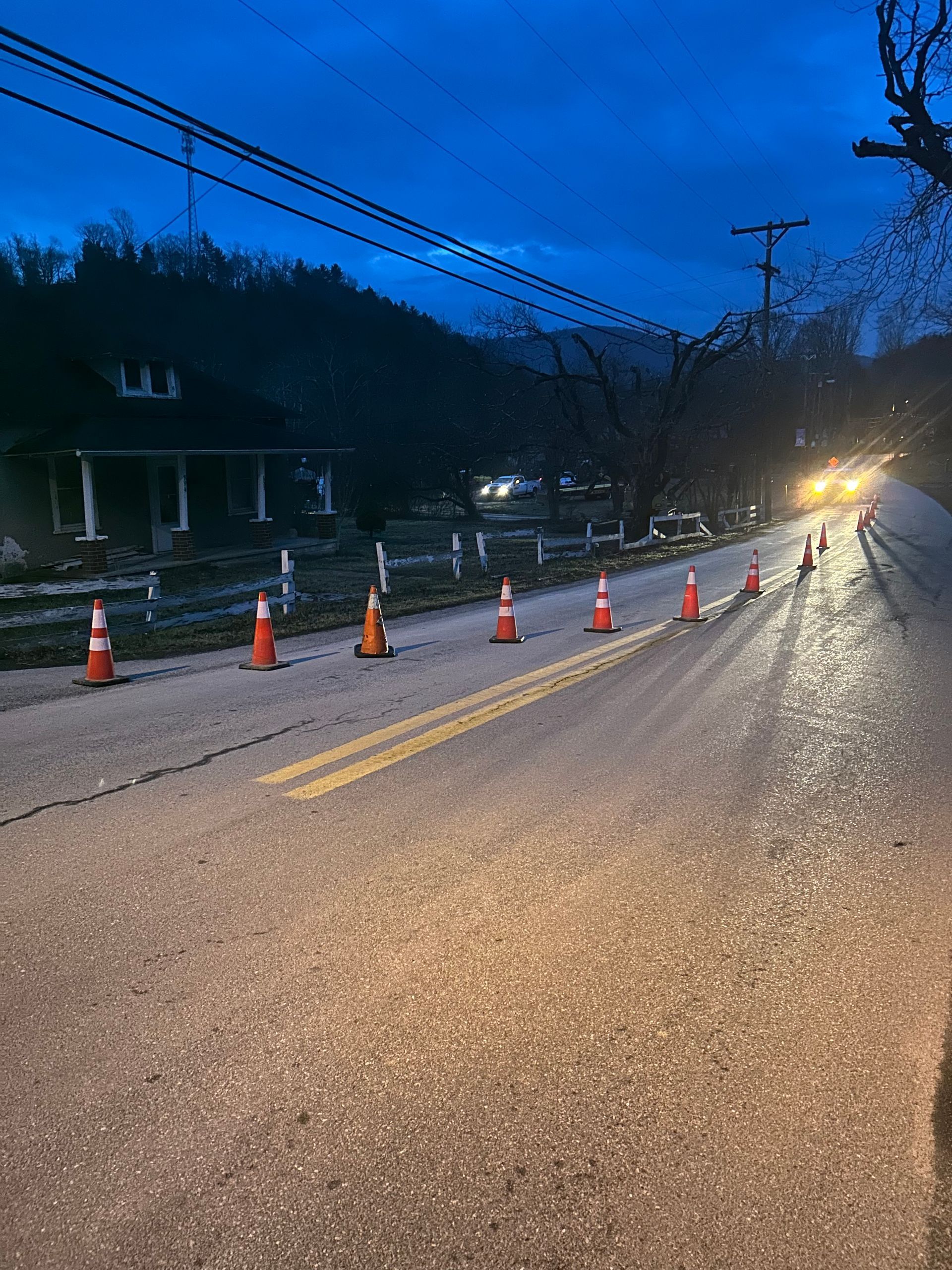
Installation of cones, channelizing devices, and delineators according to speed and lane width
Proper taper geometry for lane closures based on approach speed and roadway classification
Buffer zone creation and, where required, the installation of temporary barriers or crash-attenuating devices
Installation of arrow boards and message boards in advance of the work zone for improved driver awareness
Coordination with local enforcement and utility providers where work affects local access or emergency routes
Daily setup inspection and maintenance to correct displaced signs or devices and to document conditions
OUR PROCESS
How AHWVTC develops Traffic Control Plans
- 01 Pre-Deployment Briefing Supervisors conduct a pre-shift briefing to review daily tasks, unique hazards, and communication protocols between flaggers, equipment operators, and the client.
- 02 Equipment Staging and Verification All signs and devices are inspected, inventory checked, and staged in sequence to expedite setup.
- 03 Sequential Installation Crews install devices starting from the farthest advance sign working backward toward the work area, ensuring motorists receive proper early warnings.
- 04 Continuous Monitoring Supervisors monitor traffic patterns and device placement during active operations and make necessary adjustments for visibility, weather, or traffic volume changes.
- 05 Documentation Setup details, photos, and daily logs are maintained for compliance, audits, and project records.
Continuous Improvement
Feedback loops, post-project reviews, and investments in new technologies ensure our services evolve with industry standards.
COMMON APPLICATIONS
Work Zone Set Up Scenarios and Complexities
Urban Street Maintenance
Confined spaces, numerous driveways, pedestrian considerations, and short work lengths require detailed sign placement and pedestrian access accommodations.
Rural Highway Resurfacing
High-speed approaches require longer tapers, larger signs, and multi-stage lane closures using pilot trucks and additional signage.
Night Work
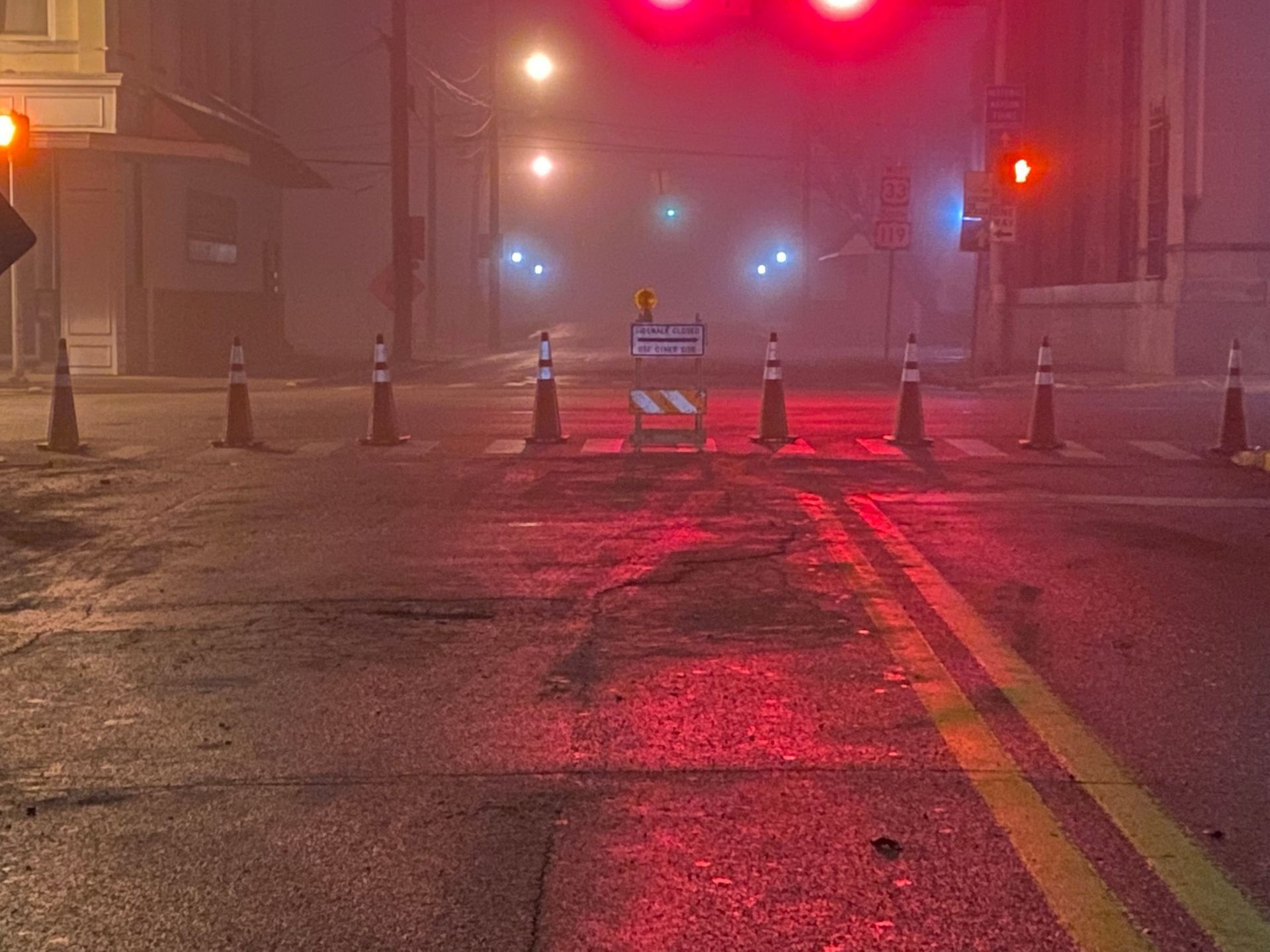
Enhanced retroreflective devices, arrow boards, and lighting are used to maintain visibility while minimizing glare for workers and drivers.
Multi-phase projects
Phased setups require dynamic adjustments as sections of the work area advance, necessitating meticulous planning and coordination.
Safety and Quality Assurance
AHWVTC supervisors conduct routine audits to verify that setups match plan diagrams, equipment is in good condition, and personnel adhere to safety procedures. We use checklists for tapers, buffer lengths, and sign placements and train crews to recognize and address displaced devices or non-compliant conditions promptly. Our documentation includes pre- and post-installation photos and daily logs to assist clients in demonstrating compliance during inspections.
Title or Question
Describe the item or answer the question so that site visitors who are interested get more information. You can emphasize this text with bullets, italics or bold, and add links.Title or Question
Describe the item or answer the question so that site visitors who are interested get more information. You can emphasize this text with bullets, italics or bold, and add links.Title or Question
Describe the item or answer the question so that site visitors who are interested get more information. You can emphasize this text with bullets, italics or bold, and add links.
faqs
Frequently Asked Questions
How quickly can you set up a work zone?
Setup time depends on the complexity and length of the work area. Small lane closures can be installed in under an hour, while multi-phase highway setups may require more extensive staging and coordination.
Who inspects the work zone after setup?
Our on-site supervisor conducts a thorough inspection after setup and performs daily checks. We also provide documentation for client or agency inspections.
How do you handle public access and local business entrances?
We plan for local access in the TCP and execute setups to preserve ingress and egress for businesses whenever possible, with clear signage and temporary access routes.
What happens if signs are displaced during the night?
Crews perform routine checks and can dispatch technicians to restore signs and devices as needed. For long-term projects, we schedule periodic maintenance visits.
Are your setups compliant for night work?
Yes. We use high-visibility retroreflective materials, proper lighting practices, and arrow/message boards designed for night visibility.
Contact
To arrange a work zone setup, schedule a pre-construction walkthrough, or get an estimate for installation and maintenance, contact Almost Heaven West Virginia Traffic Control at (304) 518-8068. Our operations team will coordinate timing, staffing, and equipment logistics to match your project schedule.