TRAFFIC CONTROL PLANS in West Virginia
SERVICE OVERVIEW
Introduction to Traffic Control Plans
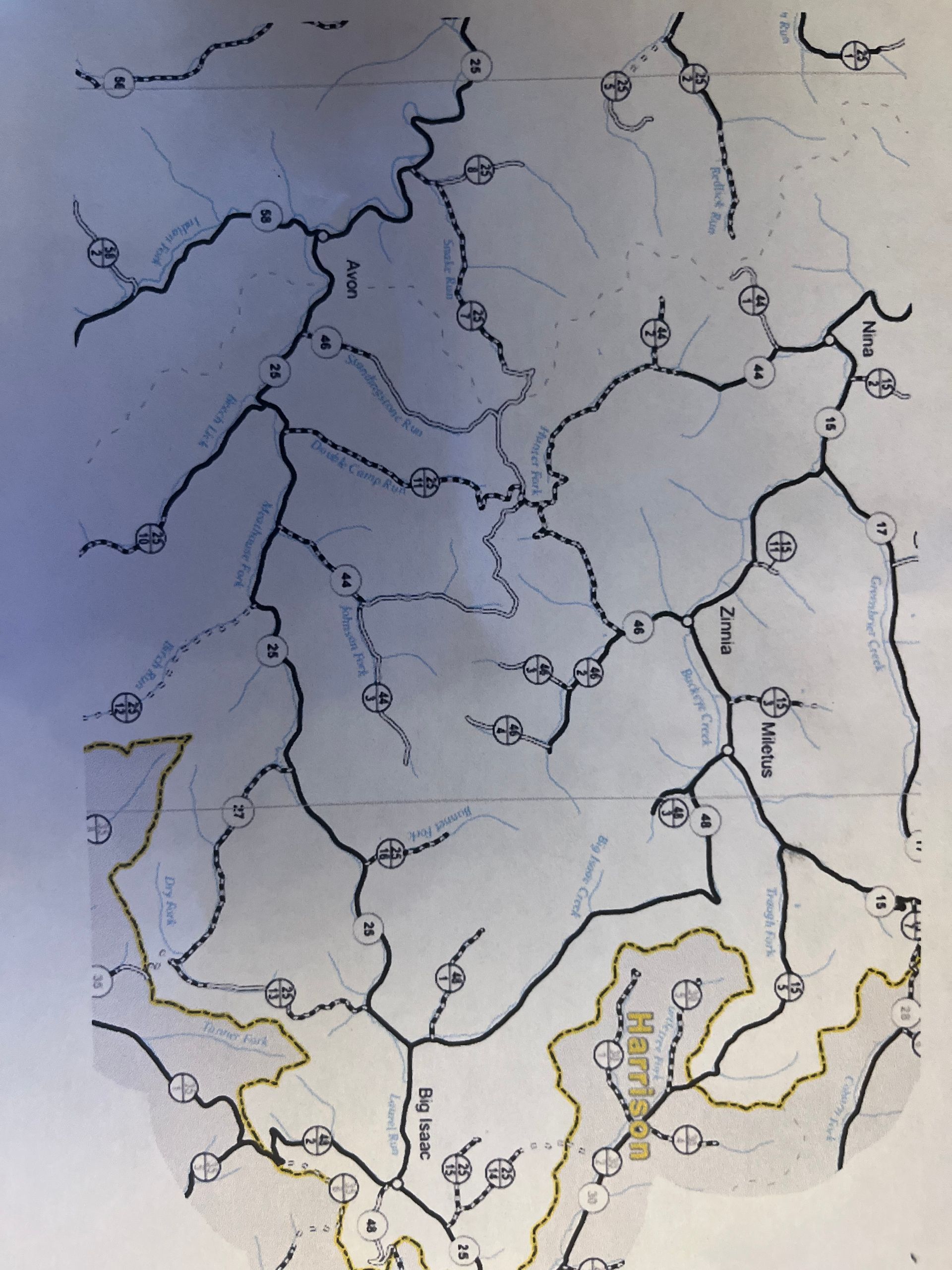
Traffic Control Plans (TCPs) are the blueprint for safe and efficient traffic management during construction, maintenance, or special events. At Almost Heaven West Virginia Traffic Control (AHWVTC), we design TCPs that balance regulatory compliance with practical field implementation. A well-crafted TCP anticipates traffic flow impacts, provides clear guidance for signage and taper placement, and establishes safe zones for workers and equipment. Our TCPs serve as a critical tool for permit approval, contractor coordination, and on-site execution.
Why it matters
Why Traffic Control Plans Matter
Traffic control plans matter because they transform safety theory into practical action. Without a TCP, work zones are prone to inconsistent signage, improper tapers, and unclear transitions that confuse motorists and endanger crews. Regulatory authorities often require TCPs as part of the permitting process; a TCP is evidence that a project has considered traffic safety, detour routing, and community impacts. TCPs also define roles and responsibilities—who handles messaging, who deploys signs, who manages flagging—so that every stakeholder understands expectations and compliance obligations.
KEY BENEFITS
Key Benefits of Professional TCPs
Regulatory Readiness
AHWVTC’s TCPs are prepared to support permit submittals and inspections, reducing the back-and-forth with approving agencies.
Site-specific Safety
Each plan accounts for roadway geometry, sight distances, traffic volumes, and work schedules to ensure safety under actual conditions.
Operational Clarity
Detailed phasing and signage schedules make execution straightforward for field crews, reducing setup time and errors.
Liability Reduction
Documented TCPs demonstrate due diligence and adherence to standards, which is critical if incidents occur.
Cost Predictability
TCPs outline equipment and staffing requirements up front so clients can budget appropriately for rentals and labor.
what we offer
What a TCP from AHWVTC Includes
A standard AHWVTC Traffic Control Plan package typically includes:
Project overview and scope of work
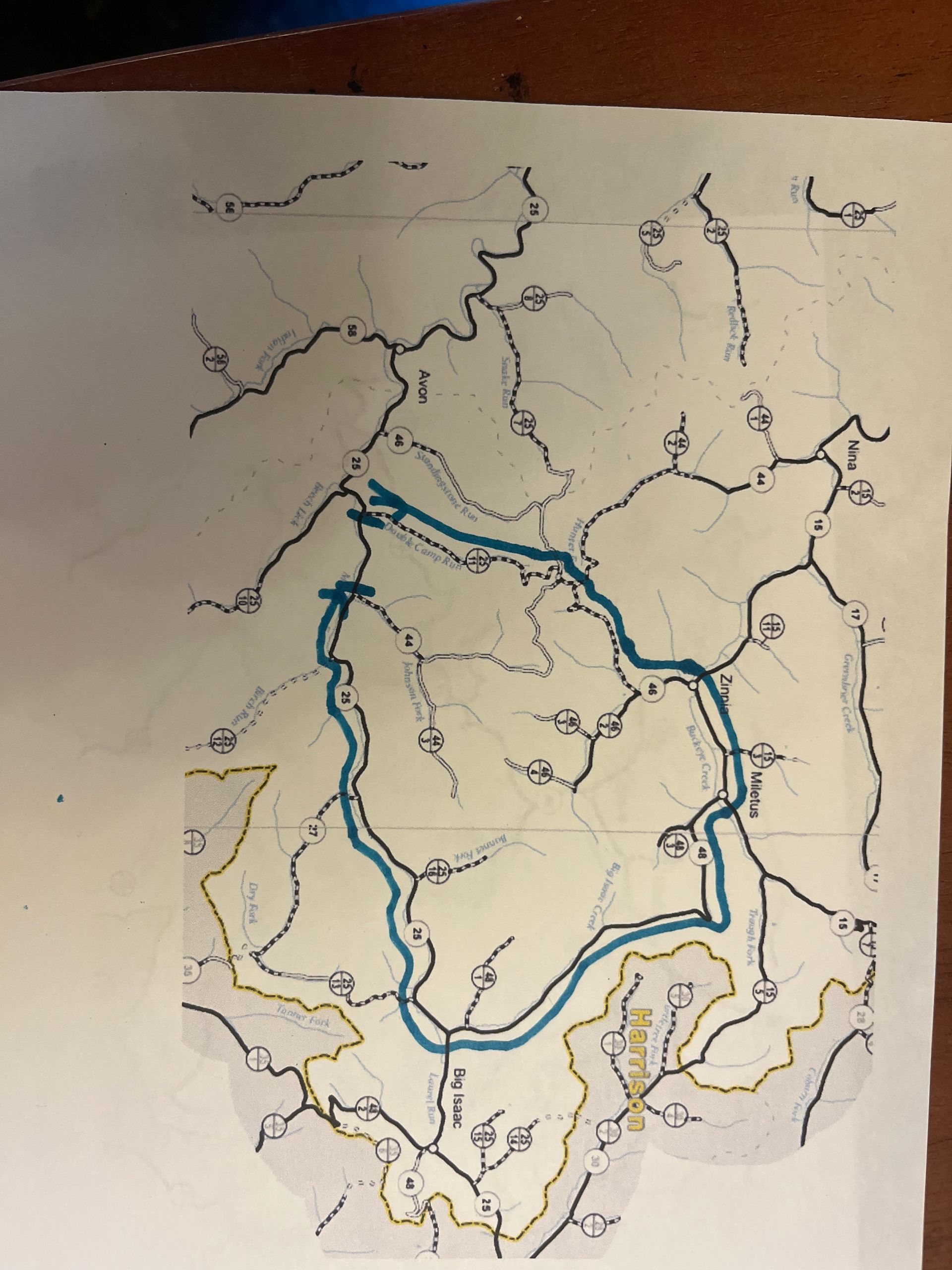
Site-specific plan view drawings illustrating lane closures, tapers, detour routing, signage locations, and staging areas
Phasing diagrams that show sequential steps for multi-day or multi-phase operations
Detailed sign schedule with sign types, sizes, and reflectivity requirements
Taper and buffer calculations tailored to speed limits and roadway classification
Worker protection measures including barrier placement and buffer zone design
Communications plan for on-site coordination, including radio use and flagger signals
Traffic control equipment list and suggested rental durations (cones, signs, barricades, arrow boards, message boards)
Incident and emergency response procedures for rapid re-opening of lanes
Appendix with applicable MUTCD and WV DOT references used in plan development
OUR PROCESS
How AHWVTC develops Traffic Control Plans
- 01 Site Assessment We begin by visiting the site or reviewing provided site surveys and project drawings to understand roadway layout, adjacent land uses, sightlines, and peak traffic times.
- 02 Stakeholder Input We gather input from the client, utility companies, and any local agencies or police departments involved in permitting or enforcement.
- 03 Data-driven Analysis Where available, we incorporate traffic counts, speed data, and turning movement analyses to inform phasing and diversion plans.
- 04 Drafting and Review The TCP is drafted with clear plan and profile drawings, sign callouts, and phasing timelines. We review the draft with the client and adjust based on feedback.
- 05 Finalization and Submission The finalized TCP is delivered as a formal document for permit applications and includes all appendices needed for regulatory review.
- 06 Field Implementation Support Our team supports the initial deployment in the field, providing on-site oversight to ensure the plan is realized correctly.
Continuous Improvement
Feedback loops, post-project reviews, and investments in new technologies ensure our services evolve with industry standards.
COMMON APPLICATIONS
Common TCP Scenarios We Design For
- Single-lane closures for utility repairs
- Longitudinal lane shifts for bridge repairs
- Full road closures with detour routing for major reconstruction
- Night work requiring enhanced signage and lighting
- Special events requiring temporary traffic rerouting and pedestrian control
Quality and Compliance Assurance
AHWVTC is committed to delivering traffic control solutions that balance regulatory compliance with practical, cost-effective execution. Our team utilizes DOT-approved equipment, employs certified traffic control personnel, and documents work zone conditions according to industry best practices to help keep every project safe, efficient, and compliant.
Title or Question
Describe the item or answer the question so that site visitors who are interested get more information. You can emphasize this text with bullets, italics or bold, and add links.Title or Question
Describe the item or answer the question so that site visitors who are interested get more information. You can emphasize this text with bullets, italics or bold, and add links.Title or Question
Describe the item or answer the question so that site visitors who are interested get more information. You can emphasize this text with bullets, italics or bold, and add links.
faqs
Frequently Asked Questions
How long does it take to develop a TCP?
Turnaround depends on complexity. Simple single-location TCPs can be completed in a few business days, while complex multi-phase highway reconstructions requiring traffic studies may take several weeks.
Do you provide TCPs for event traffic control?
Yes. We design TCPs for festivals, parades, and other public events, including pedestrian routing, parking management, and emergency access planning.
Will the TCP include equipment and staffing estimates?
Yes. Each TCP contains a detailed equipment list and recommended staffing levels (number of flaggers, supervisors, pilot trucks) to execute the plan safely and efficiently.
Can you revise a TCP if field conditions change?
Absolutely. We provide on-site support and can produce revised plan sheets and phasing diagrams to reflect changed conditions.
Are TCPs accepted by WV DOT and municipalities?
Our TCPs are designed to meet WV DOT and MUTCD standards and are accepted routinely for permit applications. We also tailor submission formats to meet local municipal requirements when needed.
Contact
To start your TCP development, call (304) 518-8068 to schedule a site assessment or submit project information for a prompt quote. We will assign a traffic engineer to review project documents and propose a plan development timeline.