Pilot Truck Services IN WEST VIRGINIA
SERVICE OVERVIEW
Introduction to Pilot Truck Services
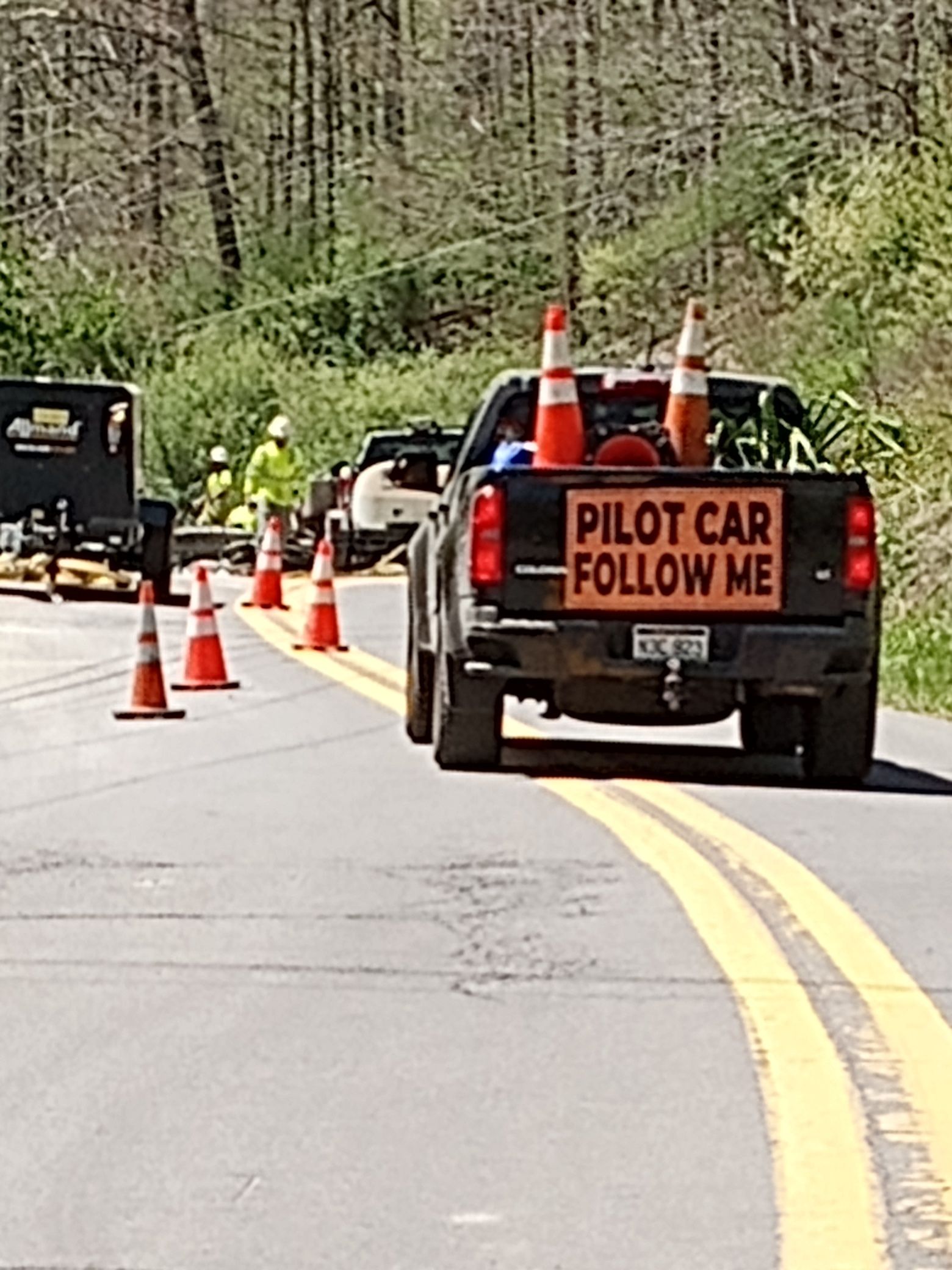
Pilot truck services are an essential component of many roadway operations—especially when lanes are narrowed, traffic is routed through single-lane alternations, or oversized loads and staged movements require on-road escorting. Almost Heaven West Virginia Traffic Control (AHWVTC) provides certified pilot truck operators and DOT-compliant pilot vehicles to escort traffic safely through temporary alignments and construction zones. Our pilot truck services help maintain flow, protect crew workspaces, and ensure motorists are guided clearly through altered or constrained roadway segments.
Why it matters
Why Pilot Truck Services Matter
Pilot trucks function as mobile traffic guides that reduce confusion and improve driver compliance within temporary alignments. On high-speed rural stretches, pilot vehicles provide advance warning, unify flow through single-lane conditions, and create a controlled spacing that reduces abrupt braking and lane changes. For oversize load escorts, pilot trucks ensure adequate clearance and coordinate with other road users and authorities to minimize disruption and increase safety.
KEY BENEFITS
Key Benefits of AHWVTC Pilot Truck Services
- Reduced risk of accident in narrow or single-lane conditions
- Improved traffic flow through controlled convoying and regulated gaps between vehicles
- Enhanced visibility for motorists approaching active or constrained work zones
- Coordination for oversized loads and special move permitting, including police coordination if required
- Professional representation of the jobsite, supporting compliance and public perception
what we offer
What our Pilot Truck Service Includes
Certified pilot truck operators trained in escort protocols, radio communication, and emergency response
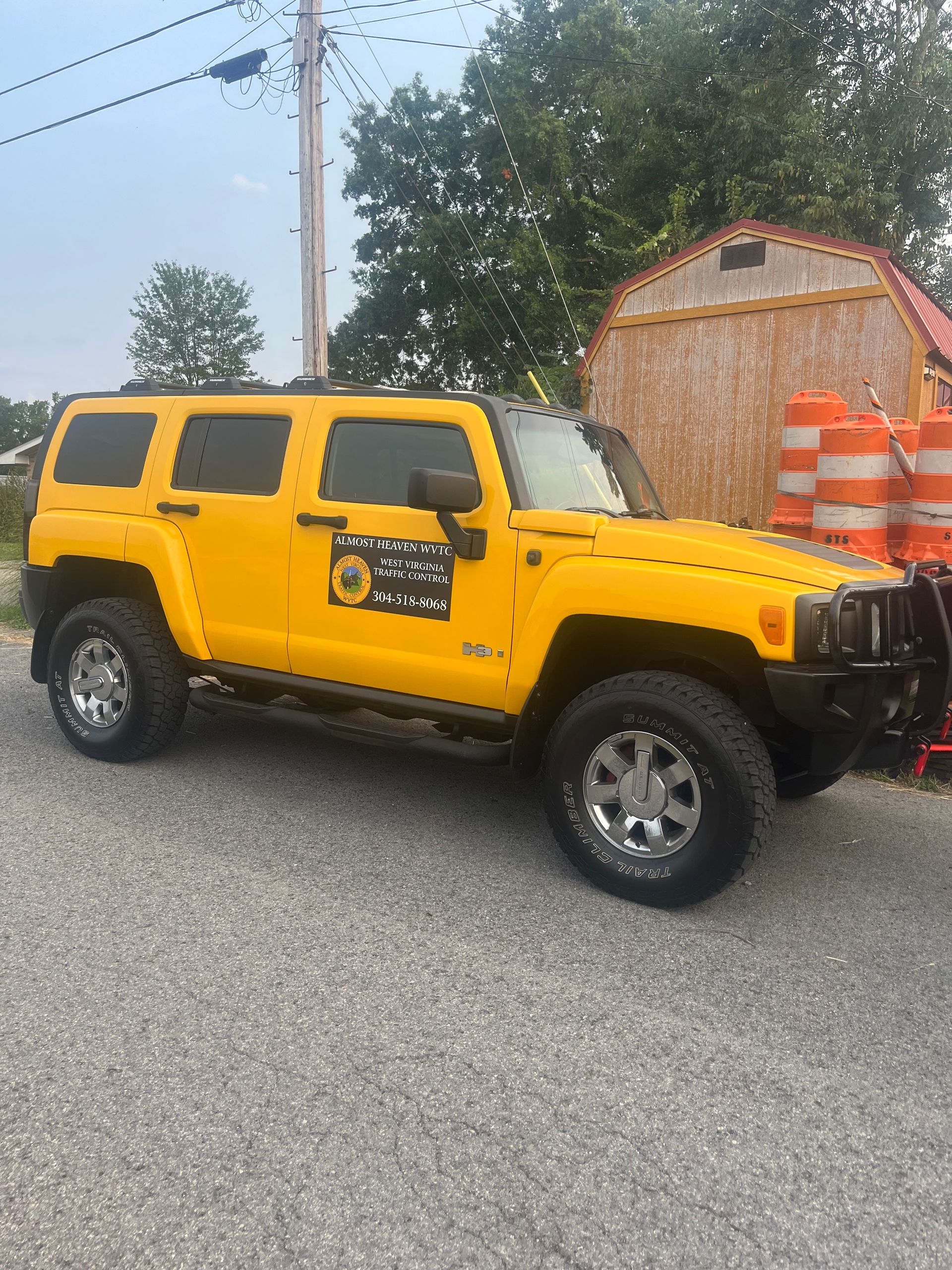
DOT-compliant pilot vehicles outfitted with high-visibility lighting, signage, arrow boards (if needed), and two-way radios
Pre-move route assessment to identify hazards, width restrictions, and timing considerations
Coordination with on-site flaggers and traffic control supervisors to maintain smooth transitions
Documentation of escort times, route notes, and any incidents for client records
SAFETY FIRST
Safety and Operator Training
AHWVTC’s pilot truck operators complete specific training modules focused on:
- Escort procedures for various traffic conditions and load types
- Use of high-visibility lighting patterns and signage to maximize warning time
- Route reconnaissance to identify pinch points, overhead obstructions, and safe passing zones
- Communication protocols including radio etiquette, signal phrases, and hand-signal coordination with flaggers
- Emergency procedures including how to safely stop traffic, coordinate with law enforcement, or re-route vehicles if an incident occurs
QUALITY EQUIPMENT
Equipment and Vehicle Standards
Our pilot trucks meet DOT specifications for escort vehicles in West Virginia. They are equipped with:
- High-intensity rotating or strobe lights and supplemental arrow boards when needed
- Standard escort signage and rear-mounted signs indicating pilot vehicles
- Two-way communication radios and GPS tracking for coordination on larger projects
- Safety storage with cones, flares, and emergency equipment to manage short-term incidents
Continuous Improvement
Feedback loops, post-project reviews, and investments in new technologies ensure our services evolve with industry standards.
Multi-phase projects
Phased setups require dynamic adjustments as sections of the work area advance, necessitating meticulous planning and coordination.
HOW WE WORK
How We Coordinate Pilot Trucks with Traffic Control Plans
Pilot trucks are integrated into TCPs where single-lane operation or specialized crossing movement is planned. The TCP will specify where and when pilot trucks are required, how they communicate with flaggers, and where hold points or pull-off areas should be located. Our operators conduct a pre-deployment walk-through with the crew and client to confirm signals, communication frequencies, and contingency actions.
Typical Scenarios for Pilot Truck Deployment
- Lane reductions on highways to accommodate repairs or resurfacing
- Areas where temporary traffic control creates alternating flow through single lanes
- Escorting oversize or over-dimensional loads requiring width and height clearances
- Temporary realignment for bridge work or culvert installations
- Night operations where visibility is reduced and additional coordination is required
Title or Question
Describe the item or answer the question so that site visitors who are interested get more information. You can emphasize this text with bullets, italics or bold, and add links.Title or Question
Describe the item or answer the question so that site visitors who are interested get more information. You can emphasize this text with bullets, italics or bold, and add links.Title or Question
Describe the item or answer the question so that site visitors who are interested get more information. You can emphasize this text with bullets, italics or bold, and add links.
faqs
Frequently Asked Questions
How many pilot trucks do we need for a single-lane operation?
Needs vary by roadway length, speed, and project duration. Often, a single pilot truck is used for short segments, but longer or higher-speed sections may require multiple pilot trucks to maintain spacing and provide advance warning.
Are pilot truck operators certified?
Yes. Operators are trained and certified by AHWVTC to meet MUTCD and state protocols for pilot vehicle operations.
Do you provide pilot trucks for oversized load escorts?
Yes. We coordinate with the client and, when necessary, with law enforcement for over-dimensional moves to provide safe and compliant escorts.
What happens in the event of vehicle failure or an incident?
Our operators have emergency protocols and tools to stabilize the scene, notify supervisors and dispatch additional support, and coordinate with local agencies as needed.
Can pilot trucks be scheduled for recurring needs?
Yes. For long-term projects requiring daily pilot truck presence, we offer scheduled services with consistent crews and maintenance support.
Contact
To arrange pilot truck services for lane reductions, escorts, or temporary alignments, contact Almost Heaven West Virginia Traffic Control at (304) 518-8068. Provide details on route, project timeline, and any special permitting so we can prepare the appropriate escort plan and staffing.